
Earwax Treatments in London
Eltham Pharmacy is dedicated to your health, and a frequent issue we encounter is earwax buildup. This is a common problem that can be uncomfortable and frustrating, and one that many people put up with for far longer than necessary simply because they aren’t sure what help is available.
Earwax acts as a natural barrier, protecting the ear canal from dust, bacteria, and other foreign particles. However, when earwax accumulates excessively, it can lead to discomfort, hearing issues, and even potential infections if not properly managed. Our pharmacy team offers both microsuction and irrigation on-site, carried out by trained practitioners in a clean clinical setting, so you can have your ears properly assessed and treated without needing a GP referral. Reach out on 020 8850 1944 or elthamchemist@gmail.com, or book today.
What Causes Excess Earwax?
Earwax buildup occurs when cerumen, the natural wax produced by glands in the ear canal, accumulates to the point where it causes symptoms or obstructs the ear canal. While earwax serves important functions, such as protecting the ear from dust, debris, and microorganisms, too much of it can lead to problems.
Common causes include:
- Overproduction of earwax by the glands in the ear canal
- Improper ear cleaning methods, such as using cotton buds, hairpins, or rolled tissue
- Naturally narrow or hairy ear canals
- Regular use of hearing aids, earplugs, or in-ear headphones
- Increasing age, which can make earwax naturally drier and harder to clear
- Certain skin conditions affecting the ear canal
Why Shouldn’t I Use Cotton Buds to Clean My Ears?
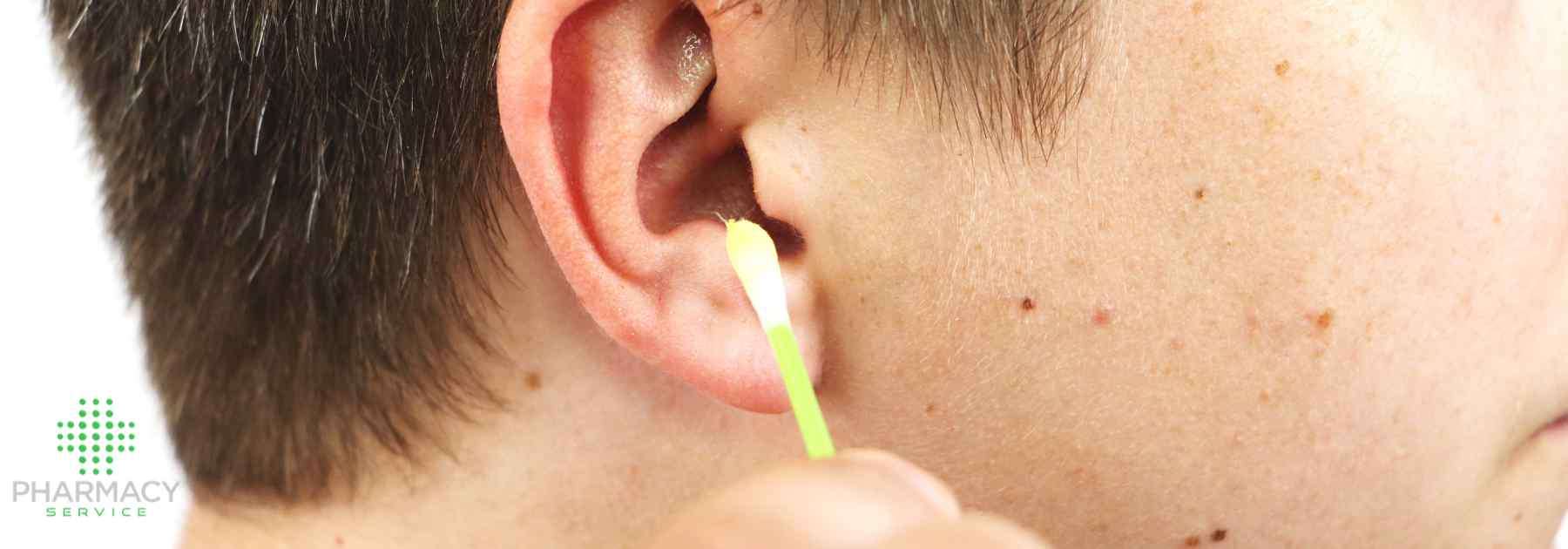
It may feel natural to reach for a cotton bud when your ears feel blocked, but this is one of the most common causes of earwax impaction. Cotton buds tend to push wax further down the ear canal rather than removing it, compacting it against the eardrum. Similar problems can occur with:
- Hairpins or other sharp objects
- Rolled tissue or paper
- Ear candles, which are not recommended and carry a risk of burns
The NHS specifically advises against inserting any object into the ear canal, and instead recommends softening drops or professional removal if wax becomes a problem.
What Are the Symptoms of Earwax Buildup?
Symptoms of earwax buildup can include:
- Hearing loss or muffled hearing, often worse on one side
- A feeling of fullness or blockage in the ear
- Earache
- Tinnitus (ringing or buzzing in the ear)
- Dizziness
- A cough, triggered by pressure on a nerve connected to the ear canal
- Your own voice sounding unusually loud or “echoey”
These symptoms can develop gradually, so it isn’t always obvious that wax is the cause until it’s addressed. If left untreated, severe buildup can lead to infections or, in rare cases, damage to the ear canal or eardrum from repeated attempts at home clearance. Most people find their symptoms resolve quickly once the blockage is removed.
How We Provide Relief
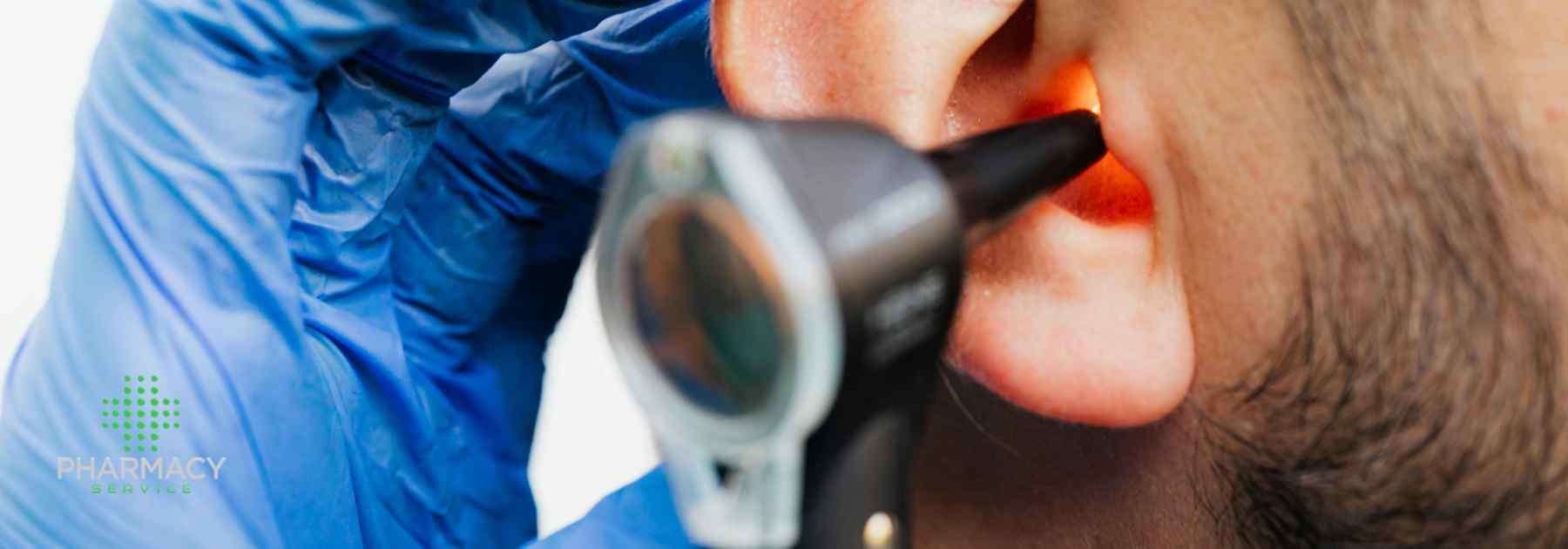
Earwax treatments are a core service offered at Eltham Pharmacy. Our treatments are designed to safely remove excess earwax, which can build up and cause symptoms such as hearing loss, earache, tinnitus, and dizziness. Every appointment begins with a short assessment using an otoscope so our practitioner can see the condition of your ear canal and eardrum, and confirm which method is most appropriate for you.
One of the most common methods is microsuction, a procedure where a small, low-pressure suction device is used to gently remove the wax under direct visualisation. Another method is ear irrigation, where warm water is used to flush out the wax. In some cases, we may also recommend ear drops to soften the wax before removal, either in the days leading up to your appointment or, occasionally, as a standalone treatment if the wax is mild enough to clear on its own.
These treatments are usually quick, safe, and effective, providing immediate relief from the discomfort caused by earwax build-up. Most patients are in and out within half an hour, and can return to normal activities straight away.
Microsuction vs. Irrigation: What’s the Difference?
At Eltham Pharmacy, we offer both microsuction and irrigation, so you can be treated with the method best suited to your ears, your symptoms, and your medical history. Neither method is universally “better”, they simply suit different situations, which is why our practitioner assesses your ears before recommending one.
What Is Microsuction?
Microsuction uses a gentle, low-pressure suction device alongside a microscope or magnifying loupe, so the practitioner can see directly into the ear canal throughout the procedure. Because it’s a dry technique with no water involved, it’s often regarded as the gold-standard method by ear, nose and throat (ENT) specialists.
Microsuction may be particularly suitable if you:
- Have a history of ear infections
- Have, or have had, a perforated eardrum
- Have had previous ear surgery or have grommets fitted
- Simply prefer not to have water introduced into the ear
All patients are still assessed individually on the day.
What Is Ear Irrigation?
Irrigation uses a handheld electronic device to direct a gentle, controlled flow of warm water into the ear canal, safely flushing softened wax out. It’s a well-established method used widely across the NHS and works well for straightforward wax buildup, particularly when the wax has already been softened with drops in the days beforehand. The water pressure is carefully controlled throughout, and the procedure is stopped immediately if any discomfort is reported.
Who Can Have Microsuction or Irrigation?
Most adults and children with a build-up of earwax are suitable candidates for one of these treatments. Before your appointment, we usually recommend:
- Using olive oil or sodium bicarbonate drops in the affected ear(s) for three to five days beforehand
- Applying drops twice daily, as directed
- Avoiding inserting cotton buds or other objects into the ear in the meantime
Softening the wax beforehand significantly improves the chances of clearing it in a single visit and can reduce the time your appointment takes. If you’re unsure which treatment suits you, our team can advise during a short consultation before any procedure begins.
Who Shouldn’t Have Irrigation?
Irrigation is not usually suitable if you have, or have had:
- A perforated eardrum
- A middle ear infection within the past twelve months
- Grommets fitted
- A cleft palate, even if previously repaired
- Complications from ear irrigation in the past
In these cases, microsuction is generally the safer alternative, as it does not involve introducing water or pressure into the ear canal. Our practitioner will always check your ear history before recommending irrigation.
Who Shouldn’t Have Microsuction?
Microsuction may not be appropriate if you have:
- An active outer ear infection
- Certain skin conditions affecting the ear canal
- Significant sensitivity that makes the procedure difficult to tolerate on the day
As with irrigation, a short pre-treatment assessment helps confirm whether microsuction is the right choice, or whether an alternative approach would be more comfortable and effective for you.
Frequently Asked Questions
How long does an earwax removal appointment take?
Most appointments take between 15 and 30 minutes in total, including:
- An initial otoscope assessment
- The procedure itself
- A brief check afterwards to confirm the ear canal is clear
Appointments can take a little longer if wax is particularly hard or hasn’t been softened beforehand.
Is earwax removal painful?
Both microsuction and irrigation are generally painless. Some people feel a mild sensation of pressure, sound, or warmth during the procedure, but it shouldn’t be uncomfortable. Please let your practitioner know immediately if you feel any pain, so they can pause or adjust the approach.
Do I need to prepare before my appointment?
Yes. We recommend using olive oil or a proprietary softening drop in the affected ear(s) twice daily for three to five days before your visit. This softens the wax and significantly improves the chances of successful removal in a single session, for both microsuction and irrigation.
Will my hearing improve straight away?
Many people notice an improvement in hearing, along with a reduction in fullness or tinnitus, immediately after treatment. It can occasionally take a day or so for your ears to fully settle, particularly if the blockage had been present for some time.
How often might I need earwax removal?
This varies from person to person. Some people never need professional removal, while others, particularly those who wear hearing aids or have naturally narrow ear canals, may need treatment every few months to a year. Our practitioner can advise on a sensible review interval based on what they observe during your appointment.
Can both ears be treated in the same appointment?
Yes, if both ears need treatment, this can usually be carried out in the same visit. Your practitioner will assess each ear individually, as it’s possible for one ear to be suitable for irrigation while the other is better suited to microsuction.
Still Need Support? Book a Consultation With Us Today
If you’re experiencing any of the symptoms above, or simply aren’t sure whether your ears need attention, our team is happy to talk it through with you. A short consultation is often all it takes to identify whether treatment is needed and which method would suit you best.
Eltham Pharmacy in London offers both microsuction and irrigation on-site, with appointments usually available within the week.
Find us in Eltham at 560 Westhorne Avenue, Eltham, London, SE9 6DR or book your appointment online.