If you are planning a ski holiday, chances are you are focused on lift passes, equipment, travel insurance, and whether you packed enough layers. What many people do not think about until it hits them is altitude. Even in Europe, some ski resorts sit high enough to trigger symptoms of altitude sickness, particularly if you travel quickly from sea level and start skiing hard straight away.
At Eltham Pharmacy, we support travellers with practical, pharmacy-led advice before they go away, including access to travel clinic services in Blackheath. One question we often hear is whether altitude sickness tablets are necessary for ski trips in the Alps, or whether they are only needed for “big adventures” like the Himalayas.
In this guide, we will explain when altitude sickness tablets may be worth considering for ski holidays, who is most at risk, what symptoms to watch for, and what other destinations commonly require altitude sickness medication.
If you would like tailored advice for your trip, contact us today, and our team will be happy to help.
What Is Altitude Sickness?
Altitude sickness (also known as acute mountain sickness) happens when your body struggles to adapt to lower oxygen levels at higher altitudes. It is more likely when you ascend quickly, sleep at a high altitude, or push yourself hard physically during the first few days.
Ski holidays can be a perfect storm for altitude symptoms because you might:
- –> Fly in and go straight up the mountain
- –> Stay in accommodation at altitude
- –> Do intense physical activity immediately
- –> Drink alcohol, which can worsen dehydration
- –> Sleep poorly due to travel, excitement, or the altitude itself
Altitude sickness tablets can help some travellers, but it is important to understand when they are needed and how to use them safely.
If you want pre-travel guidance, book a consultation with Eltham Pharmacy.

Do You Need Altitude Sickness Tablets For Skiing In The Alps?
For many people, the answer is no, but for a significant number of skiers, the answer is yes.
Altitude sickness tablets may be worth considering if:
- –> Your resort is high altitude, especially above 2,500 metres
- –> You are travelling straight to altitude without stopping lower first
- –> You have had altitude symptoms before
- –> You are skiing hard from day one
- –> You plan to spend time at even higher peaks during the day
- –> You are worried about symptoms ruining the trip
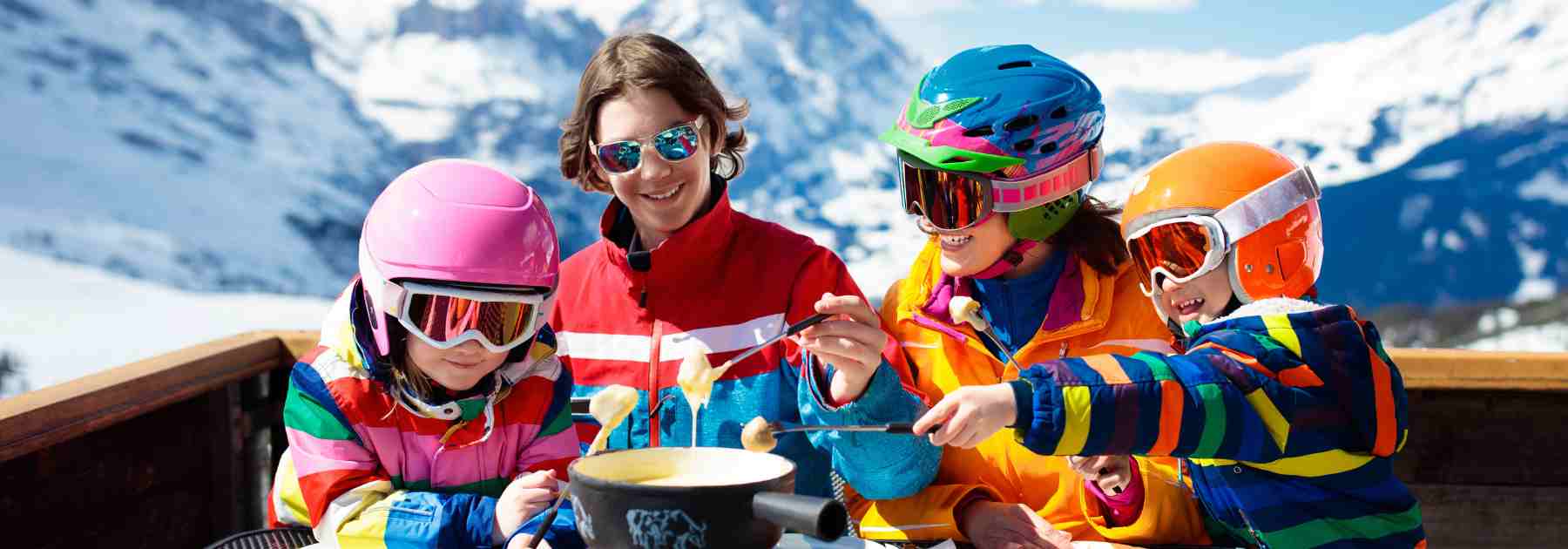
In the Alps, some resorts sit at or above altitudes where symptoms can occur, especially if you are sensitive to altitude or not acclimatised. You do not have to be extremely unfit to get altitude sickness. Fit, healthy adults can still experience it.
If you want help deciding whether altitude sickness tablets are appropriate, reach out to our team today.
Common Symptoms Of Altitude Sickness On Ski Trips
Altitude sickness does not always feel dramatic at first. Many people assume they are simply tired from travel or have a mild hangover. Early recognition is important, because pushing through can make symptoms worse.
Common symptoms include:
- –> Headache that does not settle easily
- –> Feeling unusually tired or weak
- –> Shortness of breath when resting
- –> Nausea or reduced appetite
- –> Dizziness or light-headedness
- –> Poor sleep or frequent waking
- –> Feeling “foggy” or unable to concentrate
- –> Racing heart or palpitations
If you or someone in your group develops these symptoms, it is important to take them seriously.
For personalised travel advice, book an appointment with Eltham Pharmacy.
Why Skiers Can Be More At Risk
Even if the altitude is not extreme, skiing adds several factors that can increase the chance of symptoms.
Rapid Ascent
You might go from sea level to high altitude within hours, especially if you fly and then take a transfer straight to a resort.
Dehydration
Cold air, altitude, alcohol, and physical exertion all increase dehydration risk, which can make headaches and fatigue feel worse.
Overexertion
Skiing is demanding. If you push hard on day one, your body may struggle more with oxygen changes.
Alcohol And Late Nights
Ski trips often involve après-ski drinks, which can worsen dehydration and disrupt sleep quality.
Altitude sickness tablets are not a replacement for sensible pacing, but they can help reduce symptoms in some travellers.
What Altitude Sickness Tablets Are Usually Used?
The most commonly used medication for altitude sickness prevention and treatment is acetazolamide. It helps your body adjust to altitude by supporting acclimatisation.
However, it is not suitable for everyone and it needs to be assessed properly based on your health, allergies, and other medication.
At Eltham Pharmacy, we can talk through:
- –> Whether tablets are appropriate for your trip
- –> The best time to start them
- –> What side effects to expect
- –> How to combine them with practical acclimatisation tips
If you want to prepare properly, book a consultation through our travel clinic services in Blackheath.
Other Destinations Where Altitude Sickness Tablets May Be Needed
While the Alps are a common reason people ask about altitude sickness tablets, there are several other popular destinations where altitude can be much more significant.
You may need altitude sickness medication for:
- –> Peru (Cusco and Machu Picchu region)
- –> Bolivia (La Paz and the Salt Flats tours)
- –> Nepal (treks including Everest Base Camp)
- –> India (Ladakh region)
- –> Tanzania (Kilimanjaro climbs)
- –> Colorado and other US ski resorts at higher altitude
- –> Chile and Argentina in the Andes region
- –> Japan ski resorts at higher elevations, depending on itinerary
Even travel itineraries that do not look extreme can include high sleeping altitudes, which is a key factor for altitude symptoms.
If you are travelling to any of these destinations, contact us today and we can recommend the right preparation.
Tips To Reduce Altitude Sickness On A Ski Holiday
Medication can help, but you will usually get the best results by combining it with practical steps.
Helpful tips include:
- –> Take the first day easier, even if you feel fine
- –> Drink more water than usual
- –> Avoid heavy alcohol intake early in the trip
- –> Eat regular meals, even if appetite is lower
- –> Get a good night’s sleep before travelling
- –> Consider a lower altitude night before going higher
- –> Listen to symptoms and do not ignore headaches
If symptoms worsen, the safest action is often to rest and descend to a lower altitude.
Speak To Eltham Pharmacy Before You Travel
A ski holiday should be enjoyable, not ruined by headaches, nausea, or fatigue that stops you from getting on the slopes. If you are heading to a high resort in the Alps, altitude sickness tablets may be a sensible option, especially if you have experienced symptoms before or you are travelling quickly to altitude.
Eltham Pharmacy offers travel clinic services in Blackheath, with practical support to help you travel safely and confidently.
To get advice on altitude sickness tablets, contact us today or book an appointment with our team.
This blog was written on behalf of Eltham Pharmacy by Pharmacy Mentor.